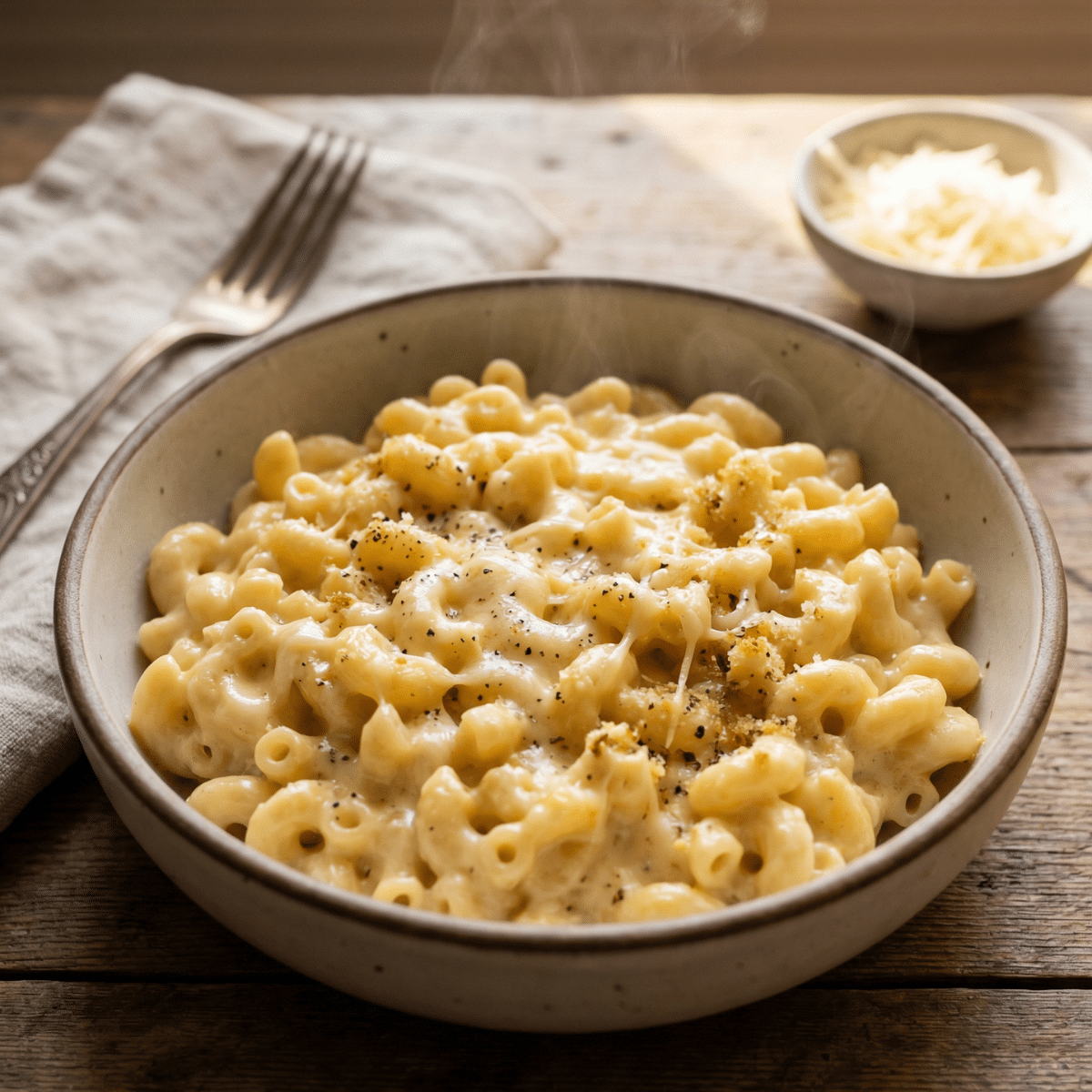
There’s something about mac and cheese that feels instantly familiar, almost emotional, even before the first bite. Maybe it’s the way the pasta soaks up that creamy, cheesy sauce, or maybe it’s the memories tied to it weeknight dinners, lazy weekends, or that quiet moment when comfort food is exactly what you need. However you come to it, mac and cheese has a way of slowing things down, if only for a few minutes.
In fact, this recipe leans into that feeling completely. It’s rich without being heavy, simple without feeling boring, and deeply satisfying in the way only real homemade mac and cheese can be. Furthermore, it doesn’t ask for anything fancy just good ingredients, a little patience, and the willingness to enjoy the process as much as the result. Because sometimes, honestly, the best meals are the ones that feel like home.
Table of Contents
Introduction
Is This Mac and Cheese Recipe Really Worth Making, or Am I Missing Something?
Key Benefits of This Mac and Cheese
Creamy Results Without Guesswork (Because the Sauce Is Built to Work)
The Core Recipe Ingredients
How to Make Mac and Cheese Step by Step
Before You Start (A Small Thing That Makes a Big Difference)
Pro Tips from the Test Kitchen
How to Store, Freeze, and Reheat Mac and Cheese
A Special Experience That Goes Beyond the Plate
Recipe FAQs
Conclusion
Is This Mac and Cheese Recipe Really Worth Making, or Am I Missing Something?
At first glance, mac and cheese can seem almost too familiar, so it’s fair to wonder whether this recipe truly adds anything new or helpful. However, once you step into it, the difference becomes clear. This version focuses on balance creamy without being overwhelming, flavorful without masking the cheese itself, and practical enough to fit into real life. In fact, it quietly solves the small problems people often don’t realize they have with mac and cheese, like grainy sauce or bland results. So no, you’re not missing some secret trick but you are gaining a smoother, more reliable way to make mac and cheese that actually delivers every single time.
Key Benefits
Here’s where this mac and cheese really earns its place nothing exaggerated, just the kind of benefits you actually notice while cooking and eating it.
- Consistently creamy texture : No broken sauce, no dryness. The cheese melts smoothly and stays that way, even after it cools a little, which honestly makes all the difference.
- Simple ingredients, real flavor : You don’t need anything complicated or hard to find. However, when everything comes together, the result tastes far richer than the effort suggests.
- Reliable, no-stress method : This recipe quietly removes the guesswork. In fact, once you’ve made it once, you’ll stop second-guessing your mac and cheese entirely.
- Comfort that feels homemade, not heavy : It satisfies that craving without leaving you weighed down, which is exactly what good mac and cheese should do.
Creamy Results Without Guesswork (Because the Sauce Is Built to Work)
There’s a quiet relief in knowing a recipe won’t fight back while you’re making it. This mac and cheese leans on a method that respects how cheese actually behaves when it melts slow heat, the right balance of fat, and just enough structure to keep everything smooth. As a result, the sauce comes together naturally instead of being forced, which means fewer fixes, less stress, and a final dish that feels intentional rather than lucky. It’s comfort food, yes but comfort you can count on.
The Core Recipe Ingredients
The core ingredients for this mac and cheese are refreshingly straightforward, which, honestly, is part of the charm. Nothing feels unnecessary here, and each element has a clear purpose even if it doesn’t shout about it.
- Macaroni pasta – The classic choice, of course. Its shape holds onto the sauce in all the right places, making every bite feel evenly coated rather than slippery or dry.
- Cheese – A good melting cheese is essential. Cheddar is the backbone, bringing depth and familiarity, while a second, softer cheese adds smoothness and keeps the sauce from turning stiff.
- Milk – This is what loosens the sauce without thinning it too much. Whole milk works best, but more on that later.
- Butter – It adds richness, yes, but more importantly, it creates the base that helps the cheese melt properly instead of clumping.
- Flour – Just a small amount, used quietly in the background to stabilize the sauce and give it that silky, spoon-coating texture.
- Salt – Simple, but crucial. It wakes everything up and keeps the cheese from tasting flat.
Nothing flashy, nothing complicated. However, when these ingredients come together the right way, they turn into something far more comforting than the list suggests.

Creamy Homemade Mac and Cheese

Ingredients
- 250 g (8 oz) macaroni pasta
- 3 tbsp butter
- 3 tbsp all-purpose flour
- 2 ½ cups whole milk
- 2 ½ cups shredded cheese (cheddar or a mix of melting cheeses)
- ¾ tsp salt (adjust to taste)
- ¼ tsp black pepper (optional)
- ¼ tsp paprika or mustard powder (optional)
Instructions
- Bring a large pot of salted water to a boil and cook the macaroni until just al dente. Reserve ½ cup of pasta water, then drain and set aside.
- In a saucepan over medium heat, melt the butter. Stir in the flour and cook for about 1 minute, until smooth and lightly fragrant.
- Gradually whisk in the milk. Continue stirring until the sauce thickens, about 3–5 minutes.
- Lower the heat and add the shredded cheese in small handfuls, stirring until fully melted before adding more.
- Season with salt and optional spices, tasting as you go.
- Add the cooked macaroni to the sauce and stir until evenly coated. Use a splash of pasta water or milk if needed to loosen the sauce.
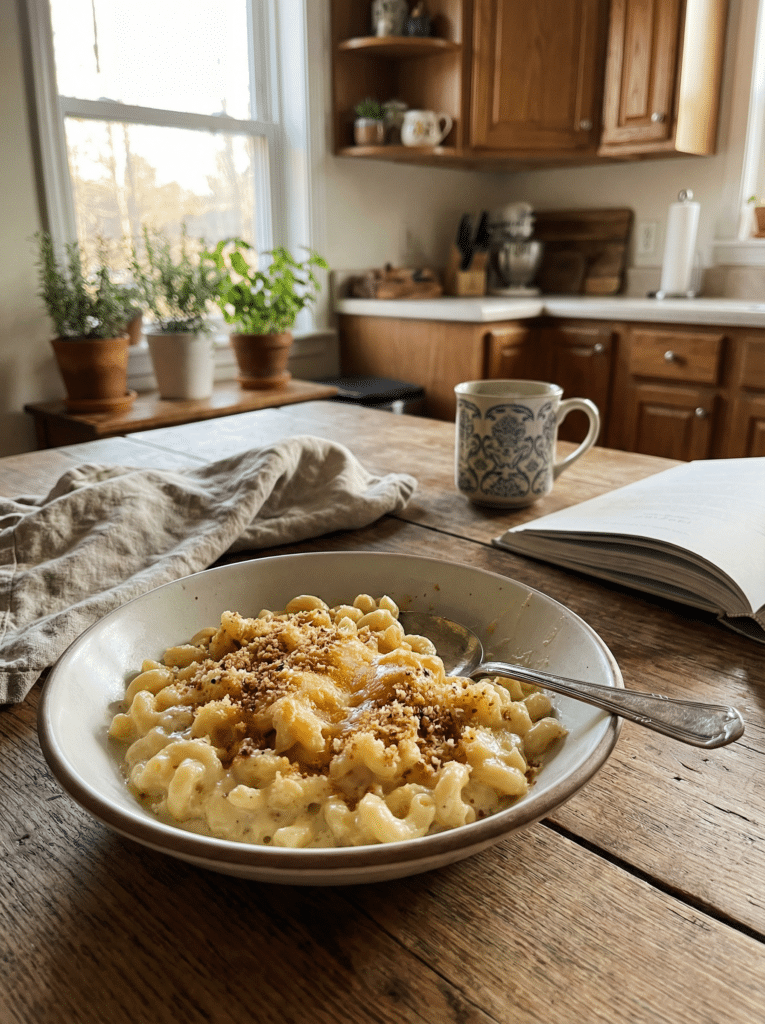
- Serve immediately, or transfer to a baking dish and bake at 190°C / 375°F for 15–20 minutes until lightly golden.
Notes
- For best results, shred your own cheese pre-shredded varieties don’t melt as smoothly.
- Keep the heat low when adding cheese to avoid a grainy sauce.
- This recipe works beautifully on the stovetop or baked for extra texture.
How to Make Mac & Cheese (Step by Step)
Alright, let’s do this in a way that actually feels doable, not like you need a culinary degree and three extra hands. This mac and cheese comes together in a few clear stages, and once you see the flow, it’s honestly kind of calming.
1.Boil the pasta (but don’t overdo it)
Bring a big pot of salted water to a boil, then cook your macaroni until it’s just shy of done think barely al dente. Meanwhile, save about ½ cup of pasta water (sometimes it helps later), then drain the pasta and set it aside.
2.Start the sauce base
In a saucepan (or the same pot, wiped out), melt butter over medium heat. Once it’s fully melted and looks a little glossy, stir in the flour. Keep stirring for about 1 minute, just until it smells slightly nutty and loses that raw flour vibe.
3.Add the milk slowly
Pour in the milk gradually while whisking don’t rush this part, because this is where smoothness is built. Keep whisking until the sauce thickens, about 3–5 minutes, and it coats the back of a spoon. If it looks too thick, a splash more milk fixes it. If it looks too thin, give it another minute… it usually catches up.
4.Melt in the cheese (gently)
Lower the heat. This part matters more than people think. Add your shredded cheese in handfuls, stirring until each handful melts before adding the next. In fact, if your heat is too high here, the sauce can turn grainy, so keep it calm.
5.Season like you mean it
Add salt, and if you’re using them, a little pepper, paprika, or mustard powder. Taste it. Then taste again. The sauce should feel bold enough before the pasta goes in, because pasta will mellow it out.
6.Combine pasta + sauce
Add the drained macaroni into the cheese sauce and stir until everything is coated. If it feels a bit too thick, add a small splash of the reserved pasta water or milk just enough to loosen it into that creamy, glossy texture.
7 (Optional): Bake it for that golden top
If you want baked mac and cheese, pour it into a buttered baking dish. Top with extra cheese (and breadcrumbs if you like), then bake at 190°C / 375°F for 15–20 minutes, until bubbly and lightly golden.
On the other hand, if you’re craving pure creaminess, you can stop at stovetop and serve immediately no shame in that at all.
Before You Start (A Small Thing That Makes a Big Difference)
Before anything else, take a moment to shred your cheese and measure your ingredients. It sounds obvious, however it’s the quiet step that prevents most mac and cheese disasters. Pre-shredded cheese often fights back when melted, and scrambling mid-recipe usually leads to rushed heat or over-stirring. Once everything is ready, the process feels calmer, almost automatic and the sauce behaves exactly the way you want it to.
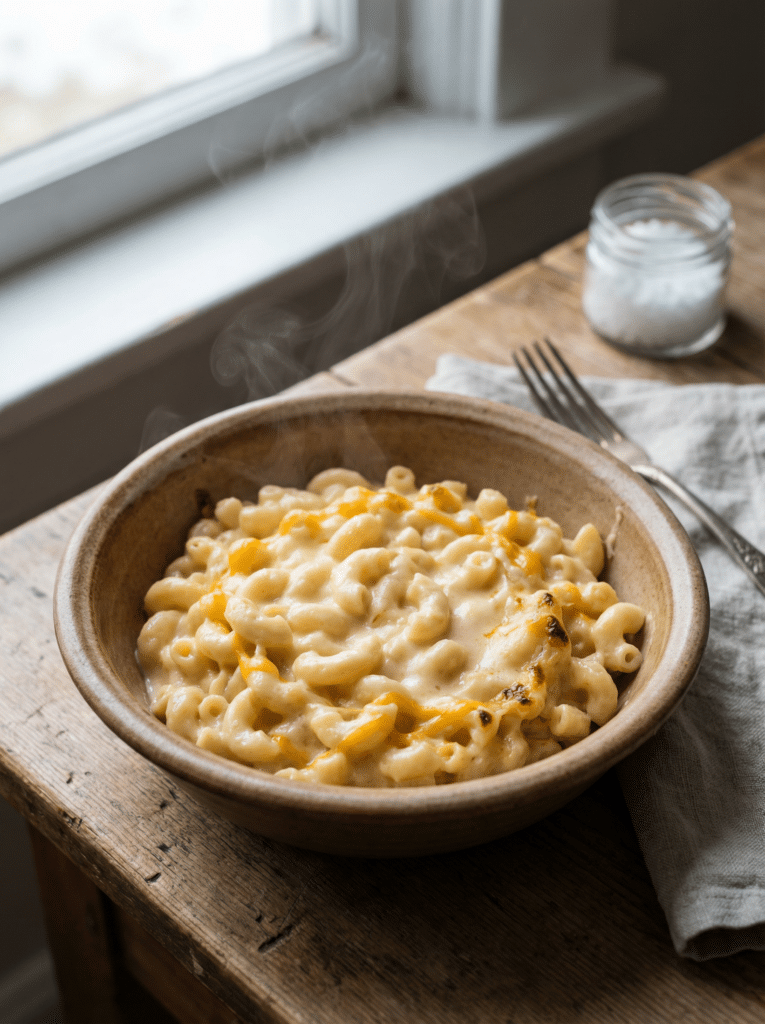
Pro Tips from the Test Kitchen (Little Fixes That Matter)
- Turn the heat down earlier than you think. Cheese melts best gently; in fact, high heat is the fastest way to break a sauce.
- Season in layers. A pinch of salt in the pasta water, a little in the sauce, then a final taste at the end it adds up.
- If the sauce tightens up, don’t panic. A splash of warm milk or reserved pasta water usually brings it right back.
- Trust the texture, not the clock. Sometimes it’s ready sooner, sometimes it needs another minute. That’s normal.
How to Store, Freeze, and Reheat Mac and Cheese (Without Losing the Creaminess)
If there’s any mac and cheese left which, honestly, isn’t always the case let it cool down naturally before packing it away. Transfer it to a sealed container and keep it in the fridge, where it stays good for about three days without much fuss.
Freezing is possible, and sometimes even practical. Once fully cooled, portion the mac and cheese into freezer-safe containers and store it for up to two months. The texture may soften slightly after thawing, however the flavor holds up surprisingly well.
When it’s time to reheat, patience helps. Warm it slowly, either on the stovetop or in the microwave, adding a small splash of milk and stirring gently as it heats. This little step brings the sauce back to life and keeps the mac and cheese creamy instead of dry or stiff.
A Special Experience That Goes Beyond the Plate
There’s a moment with mac and cheese that’s hard to explain until you’ve felt it yourself. The kitchen is warm, the sauce is still moving slowly in the pot, and for a second, everything else fades into the background. In fact, this dish isn’t just about feeding people it’s about creating a pause. You taste it standing at the counter, spoon in hand, and suddenly it feels familiar and new at the same time.
However, what makes this mac and cheese special isn’t some secret ingredient or dramatic twist. It’s the way it settles into the room, how it brings everyone a little closer, how conversations soften once plates are full. It’s comfort without effort, indulgence without guilt, and somehow, every time, it feels exactly like what you needed.

Recipe FAQs
Can I use different cheeses?
Absolutely. Just make sure at least one cheese melts smoothly this keeps the sauce from separating.
Can I make it ahead of time?
Yes, but stop before baking. Reheat gently and bake just before serving for the best result.
Why did my mac and cheese turn grainy?
Usually, the heat was too high when the cheese was added. Lower heat and slower melting make all the difference.
Conclusion
In the end, this mac and cheese isn’t trying to impress anyone, and that’s exactly why it works. It shows up warm, creamy, and reliable, without asking for much in return. You make it once, then somehow it becomes part of your rhythm a recipe you return to on tired evenings, quiet weekends, or whenever comfort feels necessary.
And maybe that’s the real point. This isn’t just a dish you cook; it’s one you keep. You adjust it, make it yours, and let it carry a bit of your own story each time it hits the table. Honestly, that’s when a recipe stops being instructions and starts becoming something familiar.